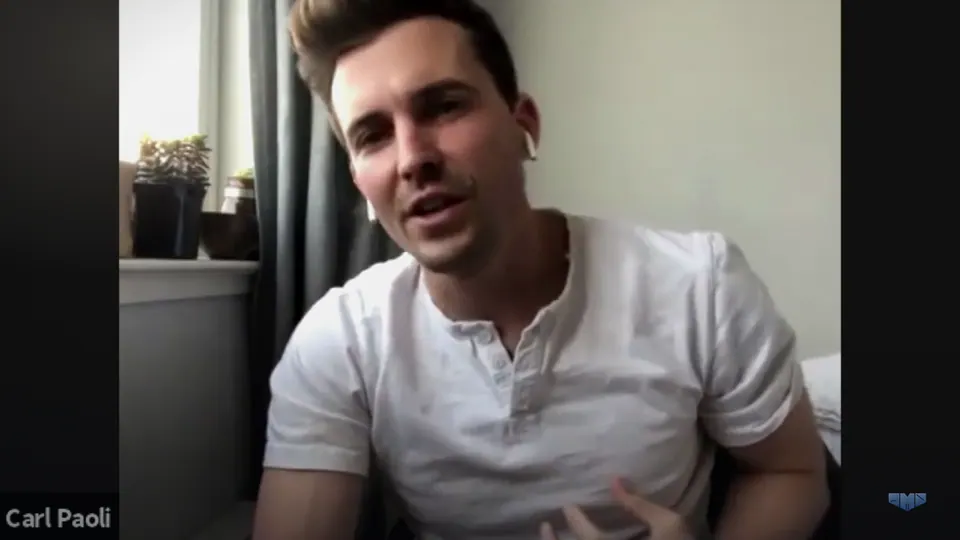
Carl Paoli had just spent three hours on a dance studio floor with B-Boy Wicket, one of the legends of breaking. He had been a gymnast all his life. He walked to his car thinking the session had gone well: his gymnastics had carried over, and that was that.
Then he turned on the radio.
What happened next changed how he coaches, how he trains, and what he thinks a body is for. He tells the story at 11:44 in our conversation, and it's the best minute and a half on movement I've heard in years.
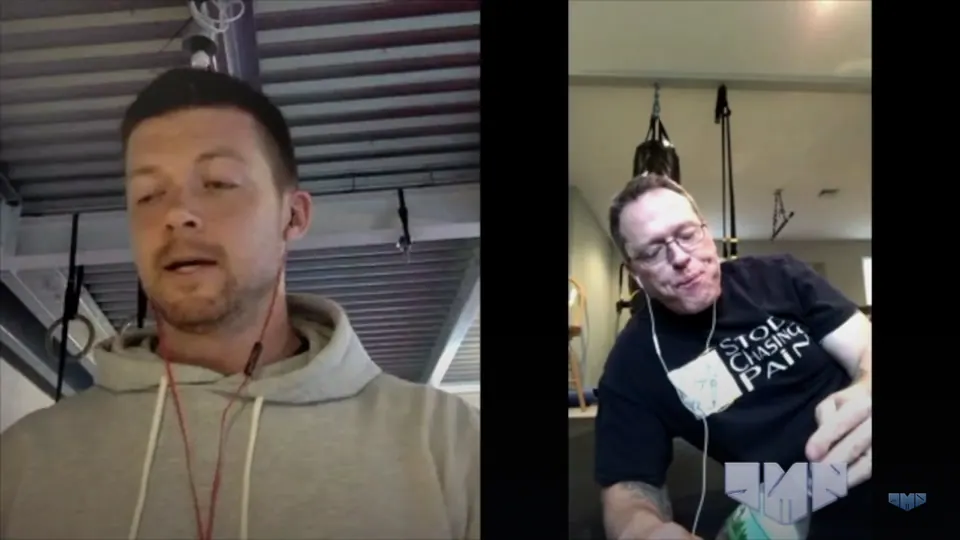
I sat down with Carl for AMN a few years ago. He's the author of Freestyle, the coach behind Freestyle Connection, and one of the people who took gymnastics out of the gym and into everyday training. I expected 45 minutes on handstands. We talked about breaking, elite athletes, wheelchairs, motorway service stations and the Spanish word for "sorry", and there was hardly a handstand in it.
It's one of the conversations I still come back to, so it's here in full, free. Here's what to listen for.
"There's no such thing as perfect movement" (5:35)
Every coach has a picture of the ideal squat in their head. Carl does too: he believes movement should be mechanically sound, backed by decades of repetitions and physics. Then, a minute later, he says that perfect movement doesn't exist.
He isn't contradicting himself. He explains how both can be true, and where he actually lives as a coach: "on the fringes," where the rules of a sport get "bent and broken a little bit to see what else there is on the other side." If your clients have ever outgrown the programme you wrote for them, this part is for you.
The radio, and what breaking taught a gymnast (9:49)
As a kid, Carl thought breaking was the power moves: flares, air flares, windmills. Then he was flown to Korea to watch R16, one of the biggest battles in the world, and realised he'd been watching it wrong.
He only felt safe enough to try it once he could see its structure. Keep that idea in mind for the next time a client freezes when you ask them to try something new. Then comes the car, the radio, and the sentence I've repeated to students ever since: "Movement is really everywhere."
Why people get stuck (19:06)
I asked Carl the question every trainer wants answered: what holds people back? His answer was one word, and it wasn't motivation, discipline or time.
He then lays out a three-step process he uses with clients, and the one question he says most people never ask themselves before chasing a goal. It's the reason so many people spend months working towards a handstand and then realise they never wanted one.
"The first thing I told him was to get out of his wheelchair" (25:51)
This is the part I think about most.
A wheelchair basketball player who had won two gold medals with Team Canada came to one of Carl's seminars. In their first session, Carl asked him to get out of his chair and onto the ground. In adaptive training at the time, that was unheard of.
What happened next taught Carl something about every body he has coached since. A few minutes later he describes a wheelchair that doesn't exist yet. It's built around the way the nervous system has always moved us, and once you hear it you'll wonder why nobody has made it. I'll admit it stopped me mid-question.
The message he'd give the whole world (43:13)
I end every AMN interview with the same question: if the whole world heard your message on health for one day, what would you say?
Carl's answer is seven words long, and it's his own. It's worth the wait, and so is what follows: three things to say when life feels off, one of them in Spanish. The Spanish word means something more than its English translation, and it's the reason the whole answer works.
Why this belongs on an AMN blog
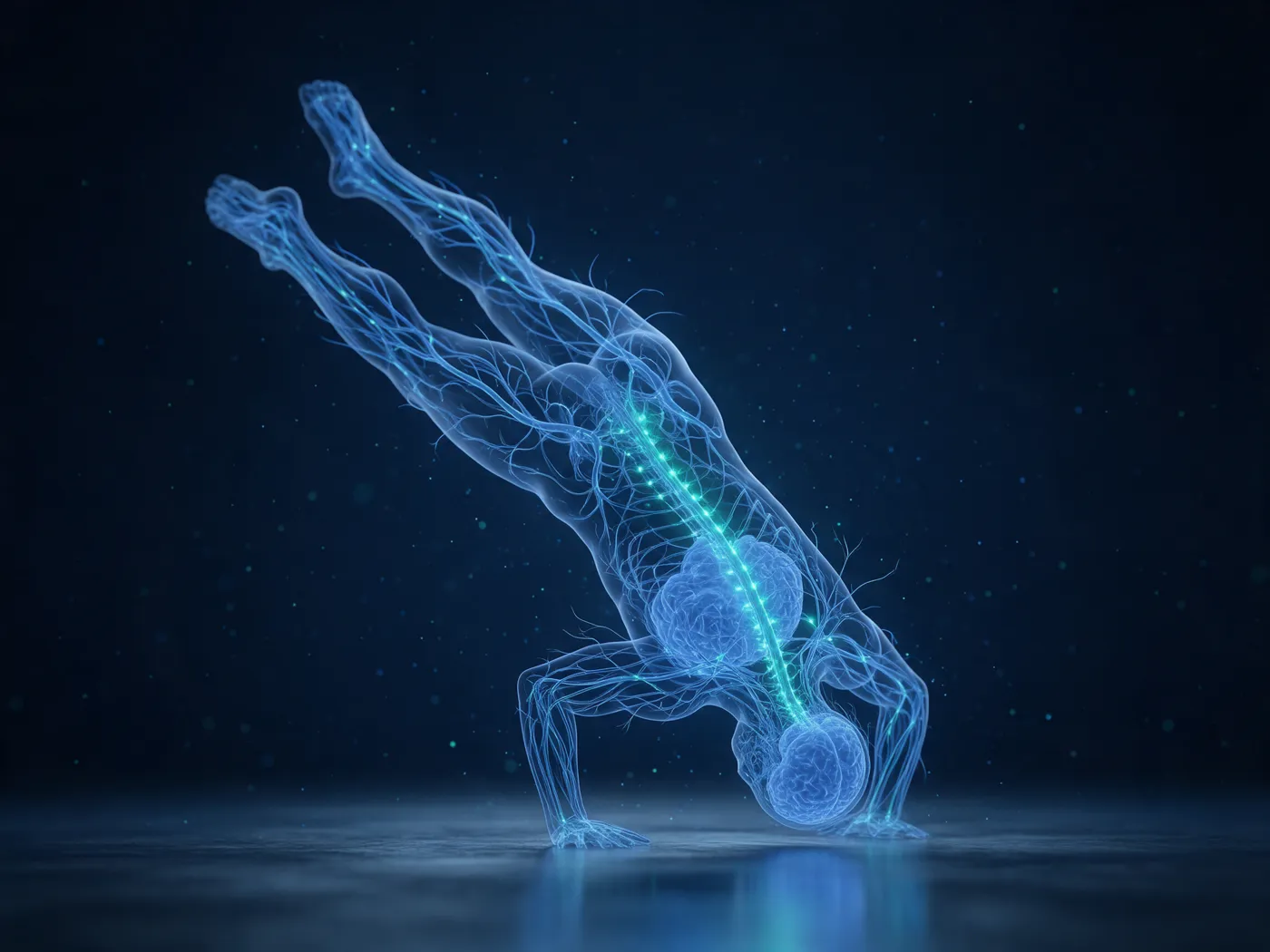
Most of what we teach at AMN happens in the session: test, find what's switched off, reset it, retest. Carl calls everything around the session "the other 90%" of movement, and it's usually what decides whether a client changes.
The best practitioners I know work on both, and this conversation is about the 90%. Put it on while you drive or cook, and start at 11:44 if you only have two minutes.
Carl teaches seminars around the world and runs an online training programme at freestyleconnection.com. His book Freestyle is on Amazon.